


If you’re the one who remembers everything—school spirit days, pediatric appointments, snack sign-ups, forms, birthdays, shoe sizes, what’s in the fridge, and what’s missing—you might be the default parent. And if you’re exhausted in a way sleep doesn’t fix, you may be experiencing default parent burnout.
Here’s the part that makes this so draining: it’s not just “doing tasks.” It’s being the invisible manager of the household—carrying the mental checklist 24/7. Psychology Today has described the “default parent” dynamic as a real source of chronic stress and resentment, not a cute TikTok label. And modern parenting coverage in 2026 keeps returning to the same theme: moms are tired of being the family’s project manager by default.
This post gives you a practical system to share the mental load—without turning your home into a constant negotiation or a weekly fight.
What default parent burnout actually looks like
Default parent burnout often shows up as:
- Constant “background thinking” you can’t turn off
- Feeling irritated by small requests because you’re already maxed out
- Resentment that builds quietly (then explodes over something minor)
- Decision fatigue—everything feels heavy, even simple choices
- Feeling invisible because the work you do is mostly unseen
If you’ve been feeling like you’re running on fumes, you’re not alone. Balancing Mommy has already talked about this emotional exhaustion from a self-care angle—this is a strong internal companion piece:
Mom Burnout Is Real: 7 Ways to Recharge Without Guilt.
Why “helping” doesn’t solve the mental load problem
One of the biggest traps is when the non-default parent says, “Just tell me what to do.” That sounds cooperative—but it still keeps you as the manager. You’re still responsible for:
- Noticing the need
- Planning the steps
- Assigning the task
- Following up
- Fixing it if it’s missed
That’s not shared load. That’s you running the system with an assistant.
The fix: shift from “tasks” to “ownership”
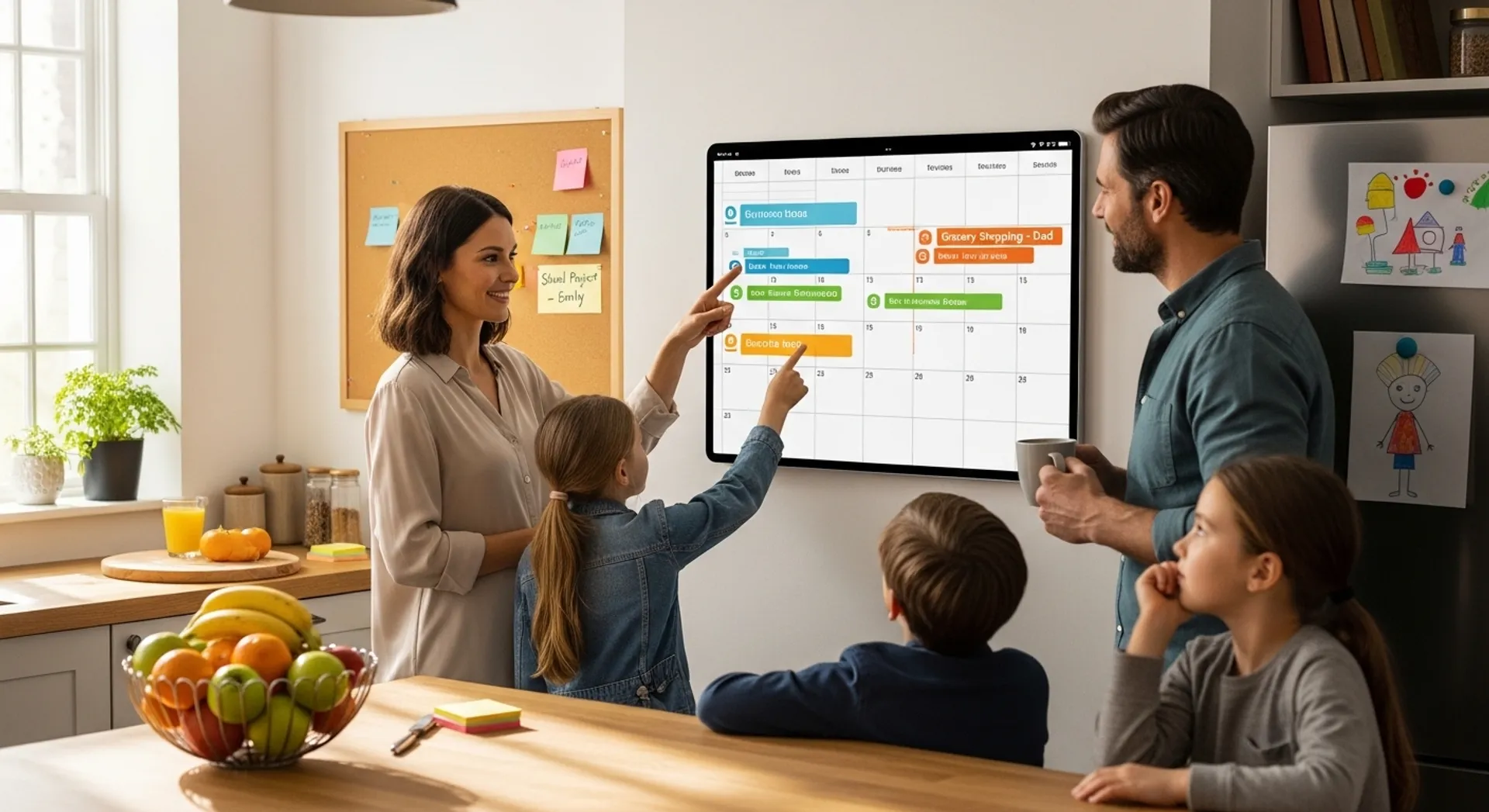
To reduce default parent burnout, you need a different model: ownership.
Ownership means: one person fully owns a category from start to finish—planning, execution, follow-up, and problem-solving. Not “tell me what to do.” Not “remind me.” Full responsibility.
Examples of true ownership categories:
- School admin: forms, calendar, events, emails, supplies
- Medical: appointments, refills, paperwork, insurance calls
- Food system: meal plan, groceries, pantry tracking
- Kids logistics: practices, drop-offs, gear, schedules
- Home system: laundry flow, cleaning rhythm, repairs
Balancing Mommy already has content that supports building systems (not just motivation). Use these internal links to strengthen your site structure and keep readers clicking:
- Time Management Hacks Every Mom Should Know
- Morning Routines for Moms: How to Actually Get 20 Minutes to Yourself
- Meal Prepping Tips: Healthy Eating for the Whole Family
Step 1: Do a 15-minute “mental load inventory”
Open a notes app and dump everything you currently carry. Don’t filter. Don’t make it pretty. Just list it.
Use these headings:
- Kids + school
- Meals + groceries
- Home + cleaning + laundry
- Appointments + health
- Money + bills
- Family admin (birthdays, holidays, gifts, trips)
Now circle the top 3 categories that make you feel the most trapped. That’s where ownership needs to change first.
Step 2: Use the “ownership handoff” script (so it doesn’t become a fight)
Here’s a script that works because it’s calm, specific, and solution-focused:
Script:
“I’m burned out from being the default parent. I need us to split ownership, not just tasks. I’m not asking you to help me. I’m asking us to run the household together. Can we pick two categories you fully own starting this week?”
If your partner responds with “I don’t know what needs to be done,” say:
Response:
“That’s part of the problem. Ownership means you learn the system the way I did. I’ll show you once, then it’s yours.”
Step 3: Start with two ownership categories (not ten)
Don’t try to redesign your whole life in one conversation. Pick two categories that will give you the biggest relief.
Good starter categories:
- School ownership (emails + calendar + supplies)
- Meal ownership (plan + shop + prep rhythm)
- Weekend logistics (kids activities + family plan)
When those two stabilize, add more. That’s how systems stick.
Step 4: Make it visible with one shared tool
Default parenting thrives in invisibility. Fix it by making the plan visible.
Pick ONE tool:
- A shared Google Calendar
- A physical whiteboard calendar in the kitchen
- A shared task list app (one list, not separate lists)
Rule: If it’s not on the shared system, it doesn’t exist. No more “in your head” schedules.
Step 5: Create a weekly 20-minute “Family Ops Meeting”

This is the cheat code. It prevents chaos from becoming your personal job.
Every week (same day/time), cover:
- Next week’s schedule (school, work, appointments)
- Who owns pickups/drop-offs
- Meals (3 dinner ideas is enough)
- One house priority (laundry reset, groceries, cleaning)
Keep it short. End with: “Who owns what?” That’s the whole point.
What if your partner “does it wrong”?
This is where many moms accidentally sabotage the system (because fixing it feels faster). But if you take it back, you become the default again.
Instead:
- Let natural consequences happen when possible
- Give feedback once, not daily
- Agree on the minimum standard together (so it’s not just your standard)
If school forms are late once, that discomfort can be the learning moment that builds real ownership.
Bring kids into the system (age-appropriate)
Sharing mental load isn’t only about co-parents. Kids can carry responsibility too (and it builds competence).
Examples:
- Kids pack their own sports bag (checklist by the door)
- Kids reset lunch items nightly
- Kids set the table or unload the dishwasher
Less “mom does everything,” more “family runs the home.”
Two quick wins you can implement today
Quick win #1: The “minimum viable day” plan
Write down the bare minimum that makes your day feel stable:
- One protein + one veggie at dinner
- 10-minute tidy reset
- 15 minutes of movement or quiet time
On hard days, you default to the minimum viable day—without guilt.
Quick win #2: Stop “gatekeeping the calendar”
Give your partner access to the full schedule and require that they check it. The goal is shared awareness, not you being the reminder system.
External authority resource (good for trust + SEO)
For a grounded explanation of why default parenting creates chronic fatigue, resentment, and mental health strain, this Psychology Today overview is a solid reference point:
The Default Parent Syndrome: More Than Just a TikTok Trend.
Final thoughts
Default parent burnout doesn’t mean you’re failing. It means the system is broken. The fix isn’t “try harder” or “do more self-care.” The fix is shifting from tasks to ownership, making the plan visible, and running the household like a shared team—because it is.
Start with two ownership categories. Hold the line. Let the system work. Your nervous system will feel the difference.
Want a supportive next read? Start here:
Balancing Motherhood and Self-Care: Why It Matters.